
"Passion is lifted from the earth itself by the muddy hands of the young; it travels along grass-stained sleeves to the heart. If we are going to save environmentalism and the environment, we must also save an endangered indicator species: the child in nature."
What is Nature-Deficit Disorder?
Nature-deficit disorder is a term coined by American author Richard Louv in his book, "Last Child in the Woods: Saving Our Children from Nature-Deficit Disorder." Though not an official medical diagnosis, this term describes the human costs of isolation from nature.
It is no secret that children today are spending significantly less time outdoors than previous generations. Our increasingly technological world makes flopping down in front of the TV or getting lost in an iPad all but second nature.
The average American child spends 4-7 minutes per day playing outside, compared to 7 hours per day in front of a screen! This begs the question: what are the long-term consequences of this severe withdrawal from the natural world?
Scientific evidence suggests that nature-deficit disorder contributes to attention difficulties, obesity conditions, diminished use of senses, and increased mental and physical illness rates. Developing children are particularly vulnerable to the harmful effects of nature-deficit disorder. However, it also affects adults, and sometimes, entire communities.
Thankfully nature-deficit disorder is not only avoidable but also reversible! This week we will explore what we know about nature-deficit disorder and how we can save the youth of tomorrow from the adverse effects of losing touch with the great outdoors.
Five Facts About Nature Deficit Disorder
1. The Definition
Nature-deficit disorder is the idea that human beings, especially children, are spending less time outdoors, and the belief that this change results in a wide range of behavioral problems.
2. The Culprits
Author Richard Louv, who coined the term, believes the main culprits of nature-deficit disorder are as follows:
- Over protective parents
- Not having access to natural spaces
- The lure of modern technology
- The preference for screen-based entertainment
3. The Effect
A series of health problems are thought to correspond with limited time outdoors. Nature-deficit disorder has been linked to:
- ADHD
- Childhood obesity
- Childhood anxiety and depression
4. The Organizations
Kids spending more time inside interacting with technology instead of outside using their imaginations has sparked a wide movement to try and remedy this "endemic of inactivity." A few of the organizations that have emerged from this movement are the Children & Nature Network and the No Child Left Inside Coalition.
5. The Long Term Impact
Richard Louv's fear of this "epidemic of inactivity" goes beyond the concern for the health and wellbeing of today's children. It is his concern that spending limited time in nature creates an apathy for nature.
It is his belief that today's generations are uninterested in caring for the planet because they do not interact with our planet's natural environments. This disconnect could have lasting consequences for environmental conservation efforts.
6 Benefits From Being Outside
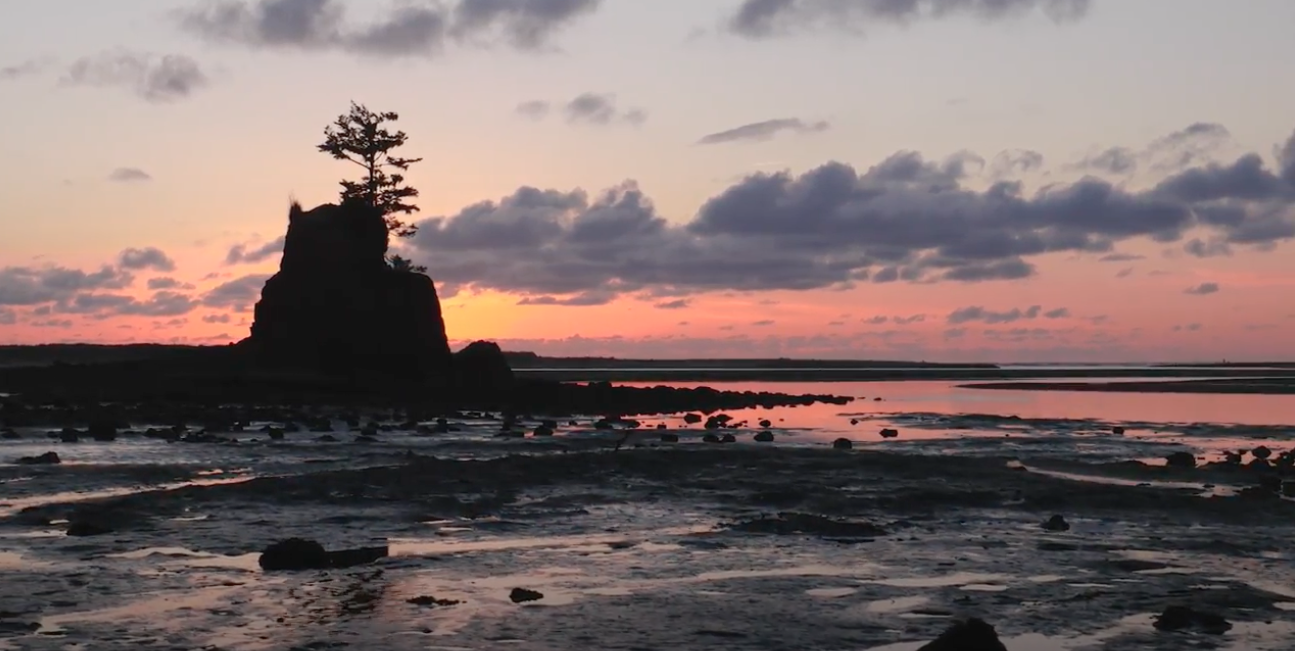
Studies have shown that even just viewing a picture of greenery can have positive influences on mental health. Considering that, imagine what getting outside for a hike in the woods can do!
The idea of nature-deficit disorder and its effects on children has sparked an entire movement of outdoor education enthusiasts, all brainstorming ways to get kids outside. Spending more time in nature offers a plethora of benefits to developing children.
From building self-confidence to developing a healthy body and mind, spending at least one hour outdoors a day can have a lasting positive impact on the rest of a child's life. Read on to discover 6 of the top benefits that come with playing in nature!
1. Sun Exposure
The sun is of vital importance for our bodies to make vitamin D, an essential vitamin that supports healthy bone growth and immune system functionality.
Sun exposure also promotes a healthy sleep cycle and improves mood. Our bodies work best with at least some sun exposure every day.
Of course, proper sun protection is important. Apply sunscreen, wear hats, and seek shade during peak hours while still enjoying the benefits of outdoor time.
2. Exercise
A growing child should be spending at least one hour being active every day. The best activity for a child is unstructured playtime outside, giving them a chance to exercise their mind and imagination just as much as their body!
Outdoor play naturally encourages physical activity. Whether climbing trees, running through fields, or exploring trails, children engage in exercise without it feeling like a chore.
Planning a family RV adventure is an excellent way to combine travel with outdoor activity, giving kids new environments to explore.
3. Executive Function
Unstructured free time in nature benefits the skills that help us plan, prioritize, troubleshoot, negotiate, and multitask. Being given the time and space to tap into imagination is essential for the developing mind.
Creating games, figuring things out, and self-amusement are all found once a child steps outside! These executive function skills are crucial for academic success and life management.
Research from the American Psychological Association shows that time in nature significantly improves cognitive function and attention span in children.
4. Taking Risks
A child will never learn what they can do without at least some space to make mistakes and problem solve from them. The lessons we learn from failure are just as important as the ones we learn from success!
Outdoor environments provide natural opportunities for calculated risk-taking:
- Climbing rocks or trees
- Crossing streams
- Navigating uneven terrain
- Building forts or structures
These experiences build confidence, resilience, and problem-solving abilities that serve children throughout their lives.
5. Socialization
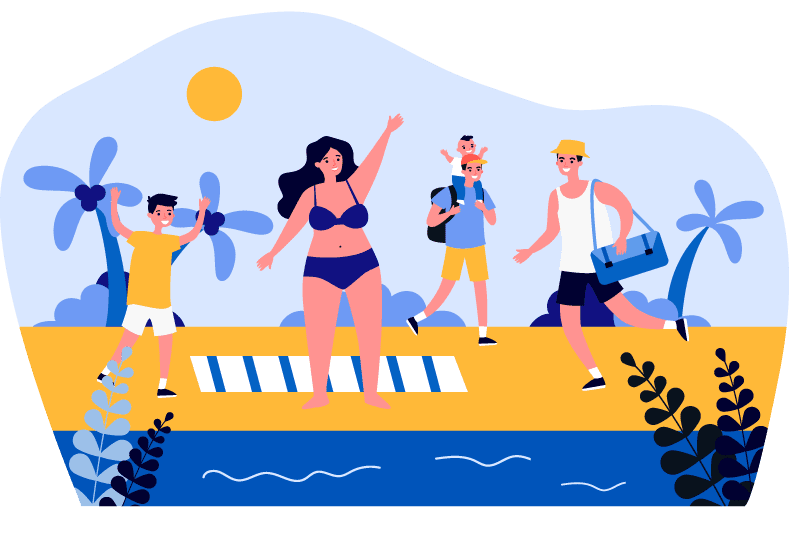
Having unstructured play time with other children gives kids an opportunity to learn how to work together, how to make friends, and how to share and cooperate.
These essential socialization skills are more difficult to learn in a schedule packed with structured, pre-planned activities. Outdoor play encourages natural social interaction and conflict resolution.
Campgrounds and RV parks provide excellent opportunities for children to meet and play with other kids in a natural setting. Consider exploring national parks and campgrounds where families gather for outdoor recreation.
6. Appreciation of Nature
Our world depends on our future generations. Today's children having a deep personal connection with the nature on this planet is essential for its survival.
How could anyone know how to appreciate wild animals or playing in a stream if they've never experienced any of it? Direct experience with nature creates environmental stewards who will protect our planet for future generations.
Children who spend time outdoors develop:
- Respect for wildlife and ecosystems
- Understanding of environmental conservation
- Curiosity about the natural world
- Desire to protect natural spaces
How to Combat Nature-Deficit Disorder
The good news is that reversing nature-deficit disorder is entirely possible with intentional effort. Here are practical ways families can reconnect with the outdoors:
- Start small: Even 20-30 minutes outside daily makes a difference
- Make it routine: Schedule outdoor time like any other important activity
- Limit screen time: Set boundaries around technology use
- Lead by example: Children follow what adults do, not just what they say
- Visit local parks: Explore green spaces in your community
- Plan camping trips: Extended outdoor experiences create lasting memories
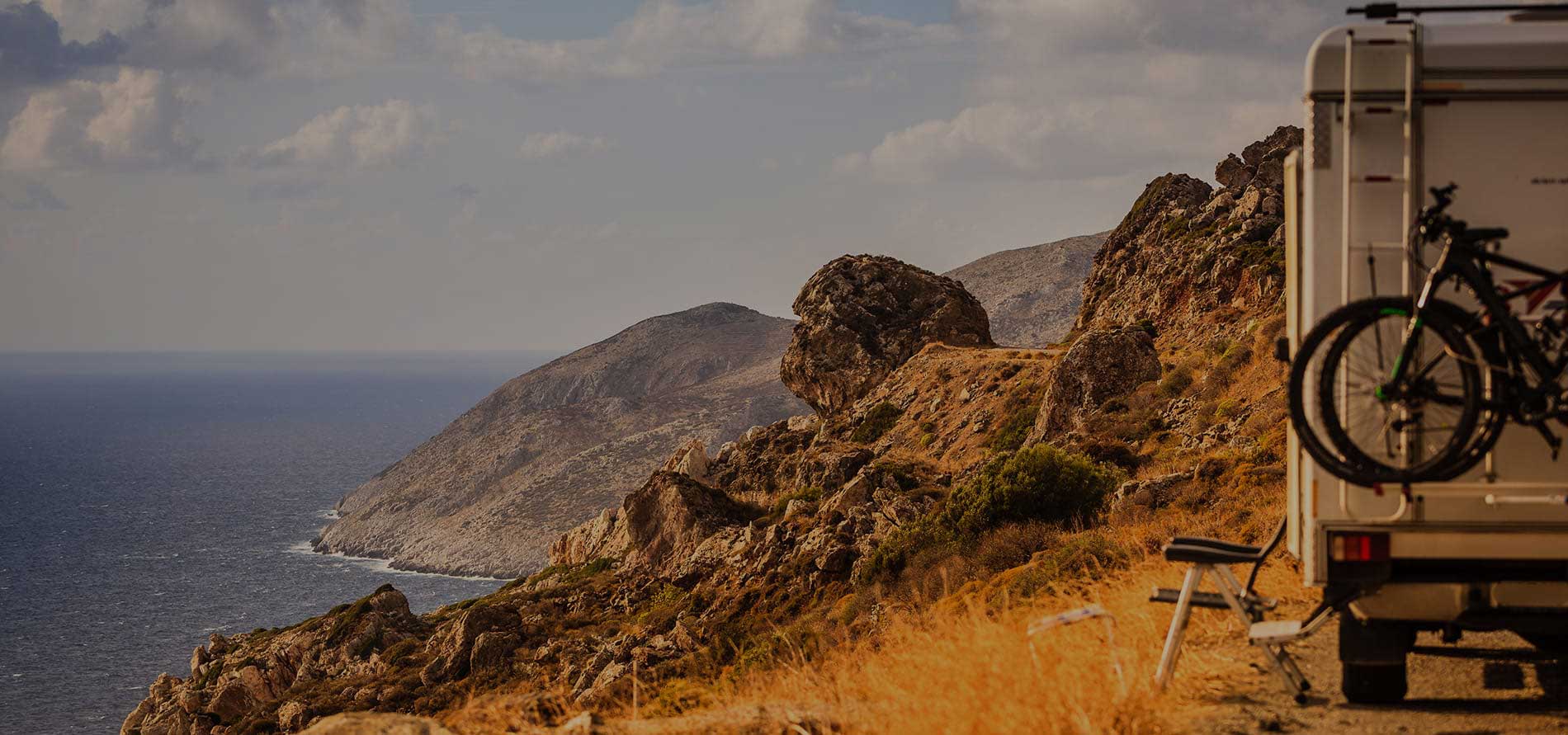
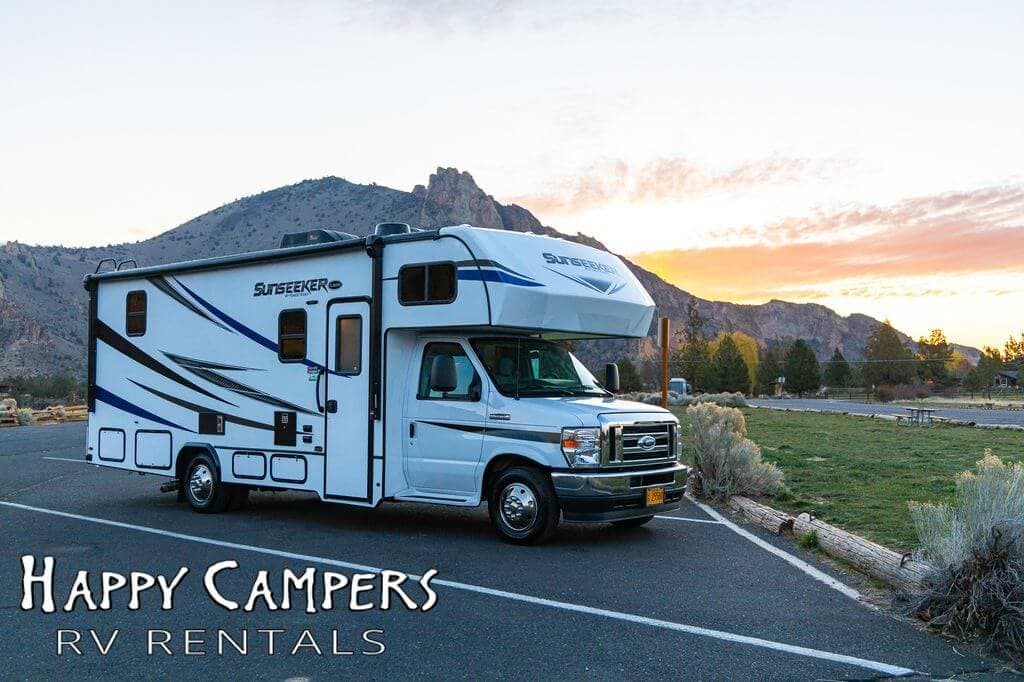
RV camping offers an ideal solution for families looking to spend more time in nature. With a comfortable RV rental, you can explore multiple outdoor destinations while maintaining the comforts that make extended trips feasible for families.
Oregon offers incredible opportunities for outdoor exploration, from the Oregon State Parks system to pristine wilderness areas. The Pacific Northwest provides diverse ecosystems for children to discover and explore.
Start Your Outdoor Adventure Today
Don't let nature-deficit disorder affect your family. The solution is simpler than you might think: get outside and explore!
Whether it's a weekend camping trip or an extended RV adventure, spending time in nature provides immeasurable benefits for children and adults alike. The memories created and skills developed during outdoor experiences last a lifetime.
Ready to plan your family's next outdoor adventure? Contact Happy Campers RV Rentals today to learn about our family-friendly RV options. We'll help you find the perfect vehicle for your nature exploration needs.
Browse our selection of available RV rentals and start planning an adventure that will reconnect your family with the great outdoors. Your children's health, happiness, and future relationship with nature depends on the experiences you provide today.
Related articles
Continue exploring Camping & Campgrounds
Essential Travel Tips for Your Bend, Oregon RV Adventure
Planning an RV trip to Bend, Oregon? You've picked one of the most stunning destinations in the Pacific Northwest for your adventure. Whether you're chasing waterfalls, hitting the slopes, or simply s
Early Summer Vacation in Oregon: Your Ultimate RV Road Trip Guide for June Adventures
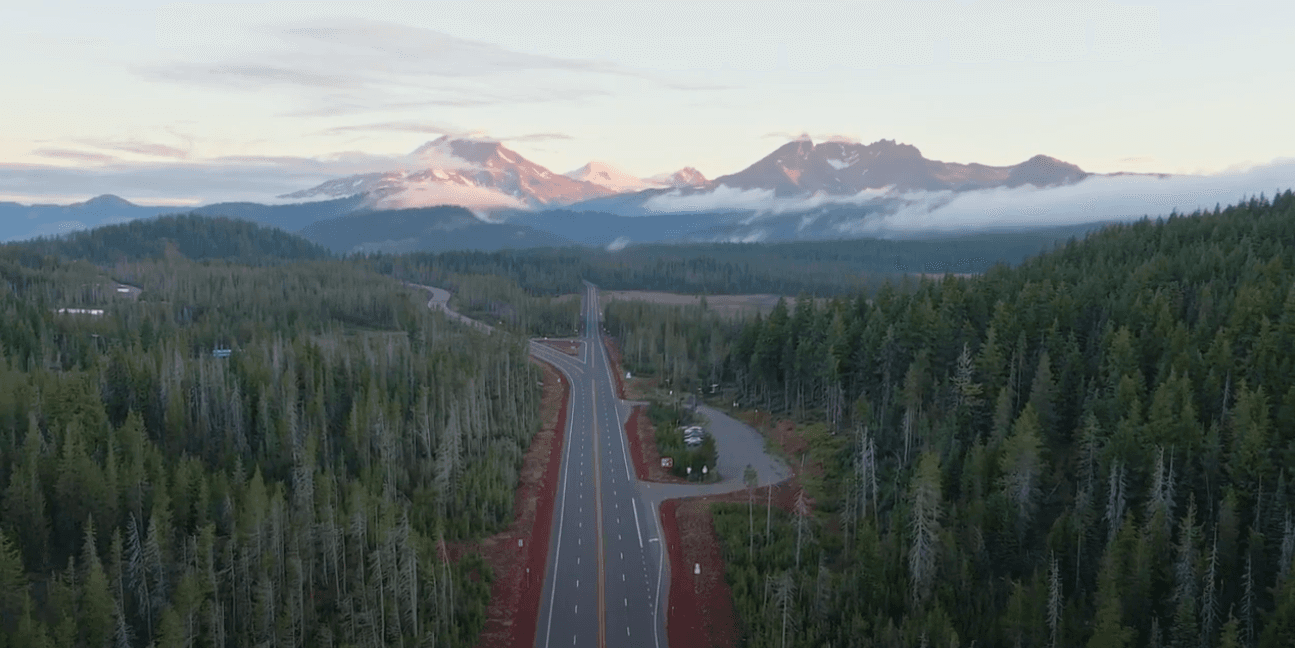
There's something magical about Oregon in early summer. The snow-capped peaks of the Cascades still glisten against brilliant blue skies, wildflowers blanket alpine meadows, and the days stretch long
A Golfing RV Adventure at Tokatee in the McKenzie River Valley of Oregon
Embarking on an RV adventure combines the freedom of the open road with the comfort of home, and when your journey includes a stop at Tokatee Golf Course in the McKenzi