How to Choose the Perfect RV for Your Family Summer Vacation
## Meta Description Find the best family RV rental for your summer adventure. Expert guide covers RV types, sizes, features, and tips to match your family's needs perfectly. ---
Introduction
Planning a family summer vacation in an RV sounds exciting until you're faced with dozens of rental options and wondering which one actually fits your crew. Will your teenagers complain about cramped quarters? Does that compact model really sleep six people comfortably? And what about storage for all those beach toys, camping gear, and the inevitable "just in case" items your spouse insists on bringing?
Choosing the best family RV rental doesn't have to feel overwhelming. Whether you're planning your first RV adventure or you're a seasoned road warrior looking to try a different model, this guide will walk you through everything you need to know to select the perfect home-on-wheels for your family's summer getaway. We'll cover RV types, size considerations, must-have features for traveling with kids, and practical tips to ensure everyone arrives at your destination happy—and still speaking to each other.
By the end of this guide, you'll know exactly which RV matches your family's needs, budget, and travel style, setting you up for an unforgettable summer adventure.
Table of Contents
Understanding RV Types and Classes
The RV world has its own language, and understanding the different classes is your first step toward making an informed decision. Each RV type offers distinct advantages depending on your family's size, driving comfort level, and vacation style.
Class A Motorhomes: The Luxury Option
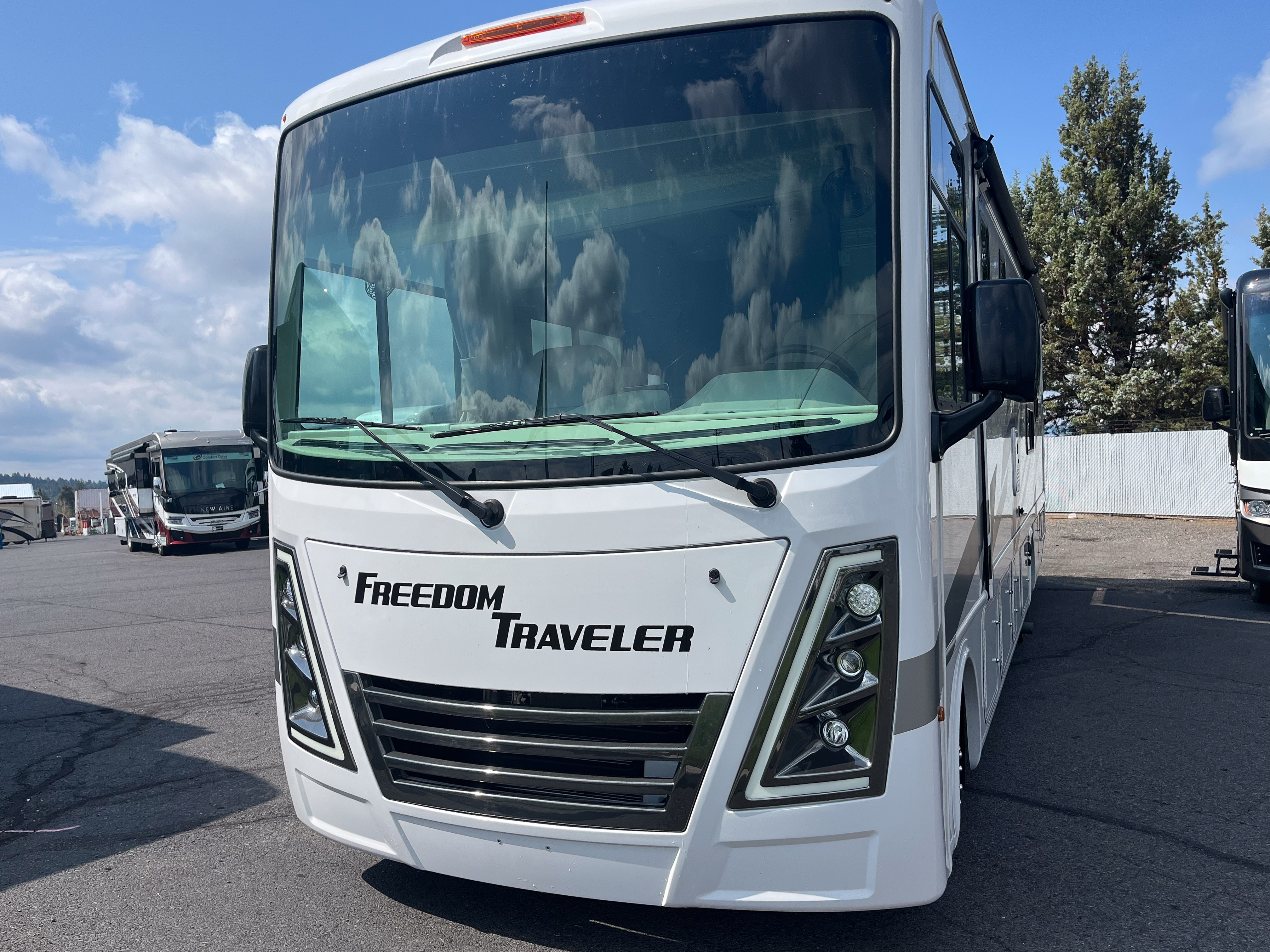
Class A motorhomes are the largest and most luxurious option, resembling a bus in size and appearance. These rigs typically range from 26 to 45 feet in length and offer amenities that rival many homes. According to RV Travel's comprehensive buying guide, Class A motorhomes are ideal for extended trips and families who prioritize comfort and space.
Our 2025 Thor Freedom Traveler A32 exemplifies this category perfectly, sleeping up to 8 people with premium features throughout. These motorhomes typically include:
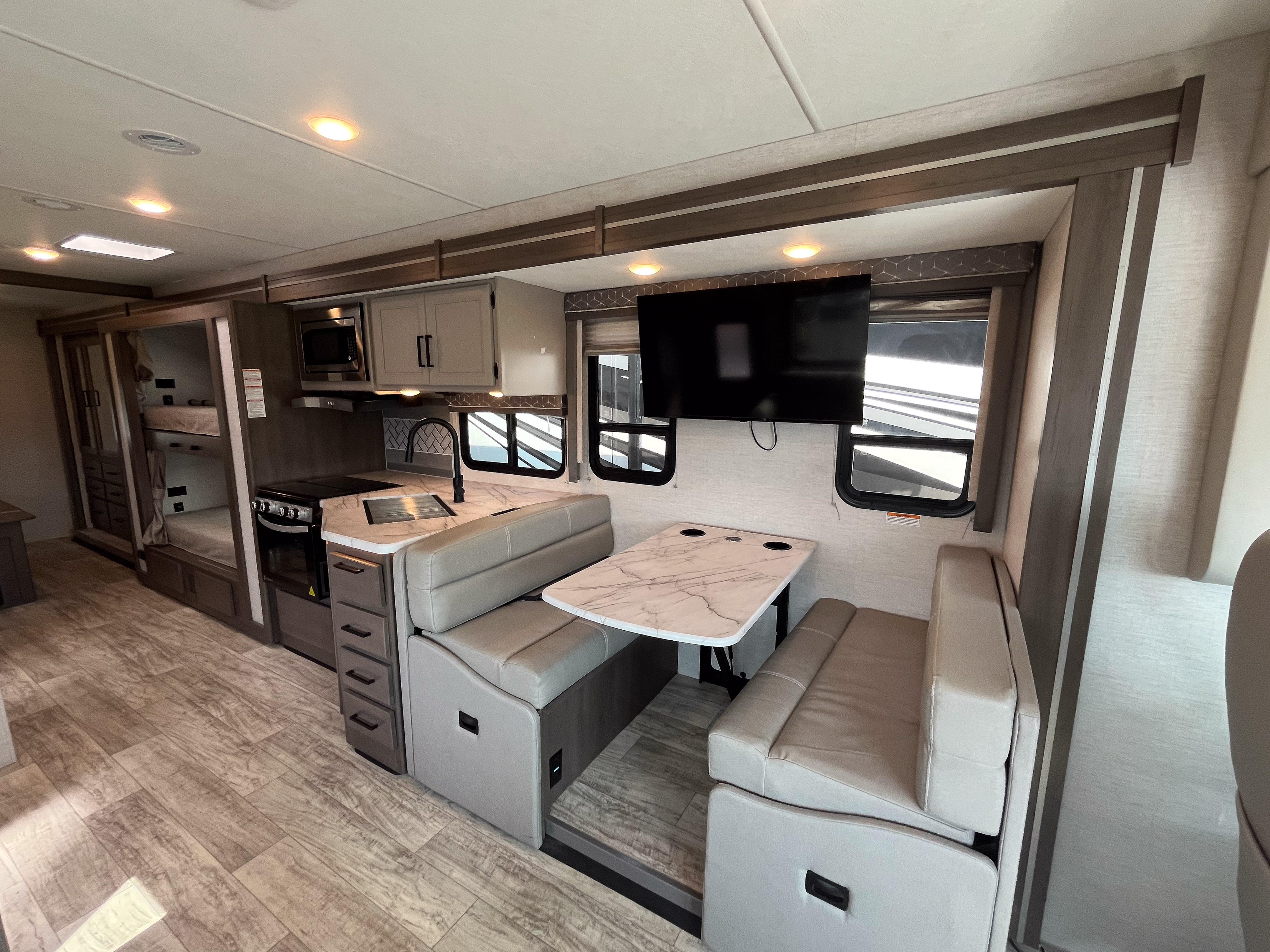
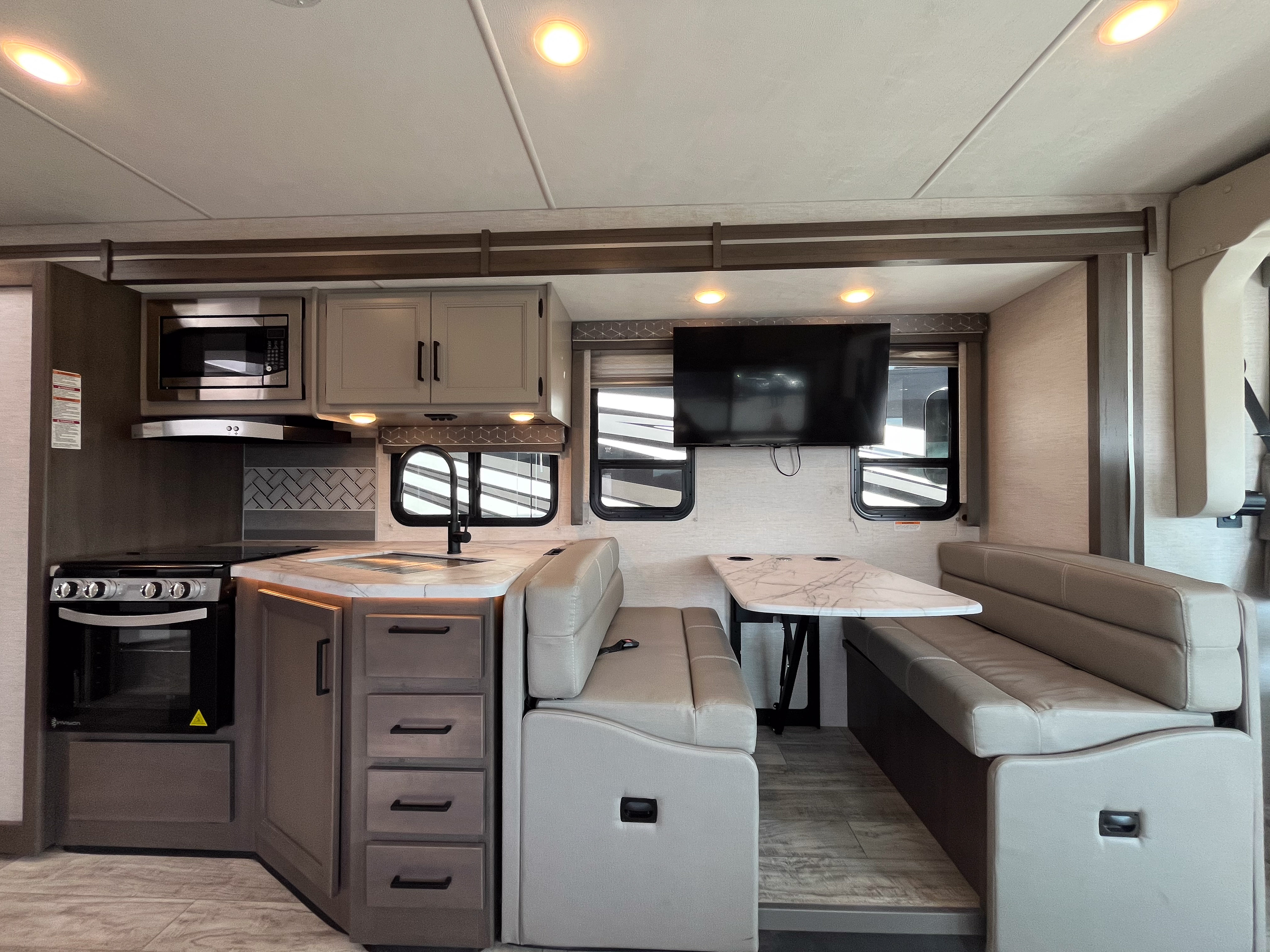
Full-size kitchens with residential appliances
Spacious bathrooms with separate showers
Multiple slide-outs for expanded living space
Ample storage compartments
Entertainment systems throughout
The trade-off? Class A motorhomes require confidence behind the wheel and careful route planning to avoid low clearances and tight turns. They're also the most expensive rental option, but for families planning longer trips or those who want resort-level comfort, they're worth every penny.
Class B Motorhomes: The Nimble Adventurer
Class B motorhomes, often called camper vans, are built on standard van chassis and typically measure 17-24 feet. These compact RVs have surged in popularity, particularly among couples and small families who value easy driving and fuel efficiency over maximum space.
Our 2024 Entegra Ethos 20D represents the premium end of Class B rentals, offering luxury finishes and clever storage solutions in a package that drives like an oversized van. Class B motorhomes work best for:
Couples or families with one small child
Travelers who plan to spend most time outdoors
Those who want to explore cities and tight campgrounds
Families prioritizing fuel economy and easy parking
The Go RVing coalition notes that Class B motorhomes typically get 18-25 miles per gallon, significantly better than larger classes, making them economical for longer distance travel.
Class C Motorhomes: The Family Sweet Spot
Class C motorhomes are the Goldilocks option for most families—not too big, not too small, but just right. Built on truck or van chassis with a distinctive cab-over section (that area above the driver's cab), Class C RVs typically range from 20-33 feet and sleep 4-10 people depending on the floor plan.
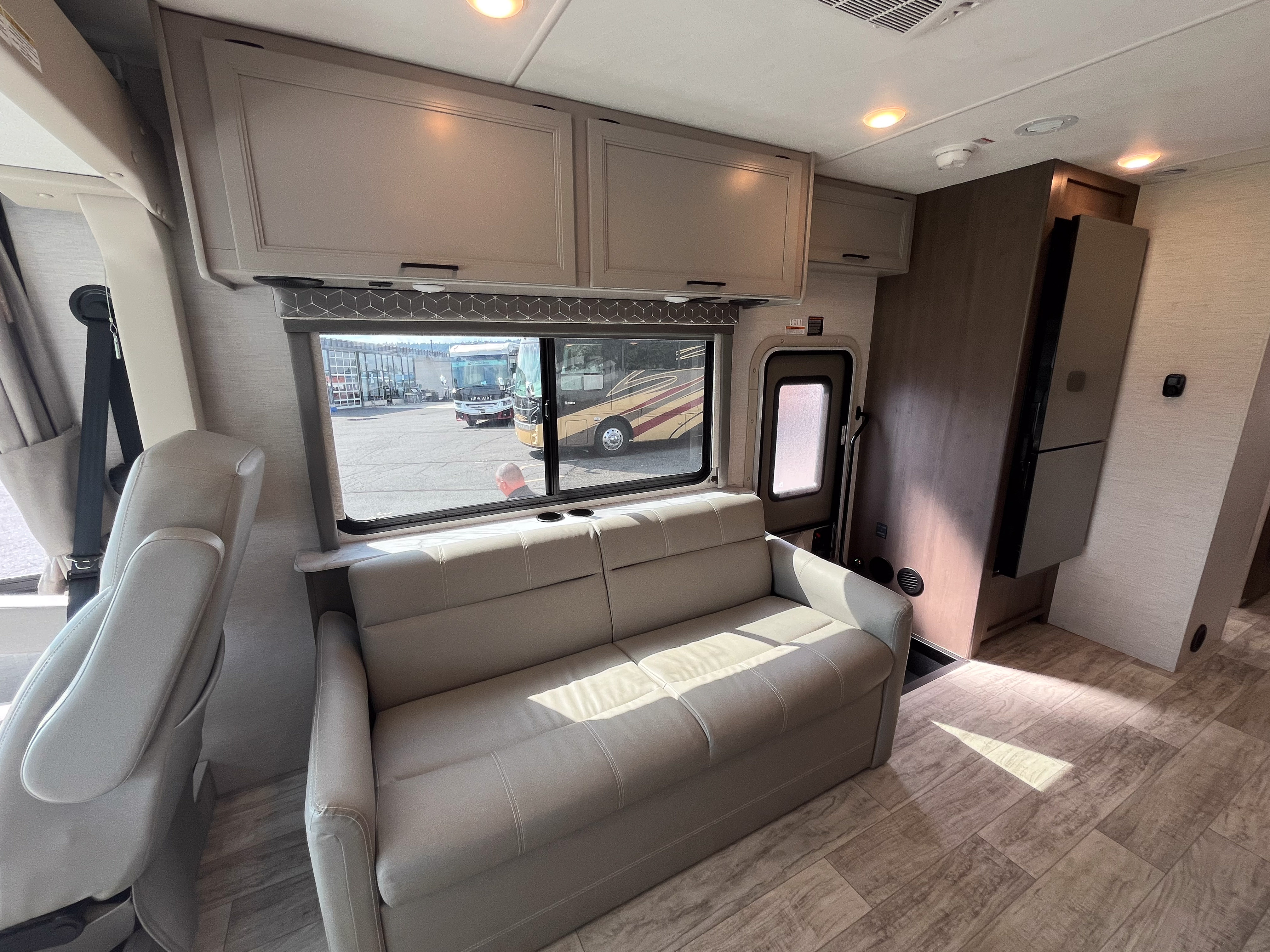
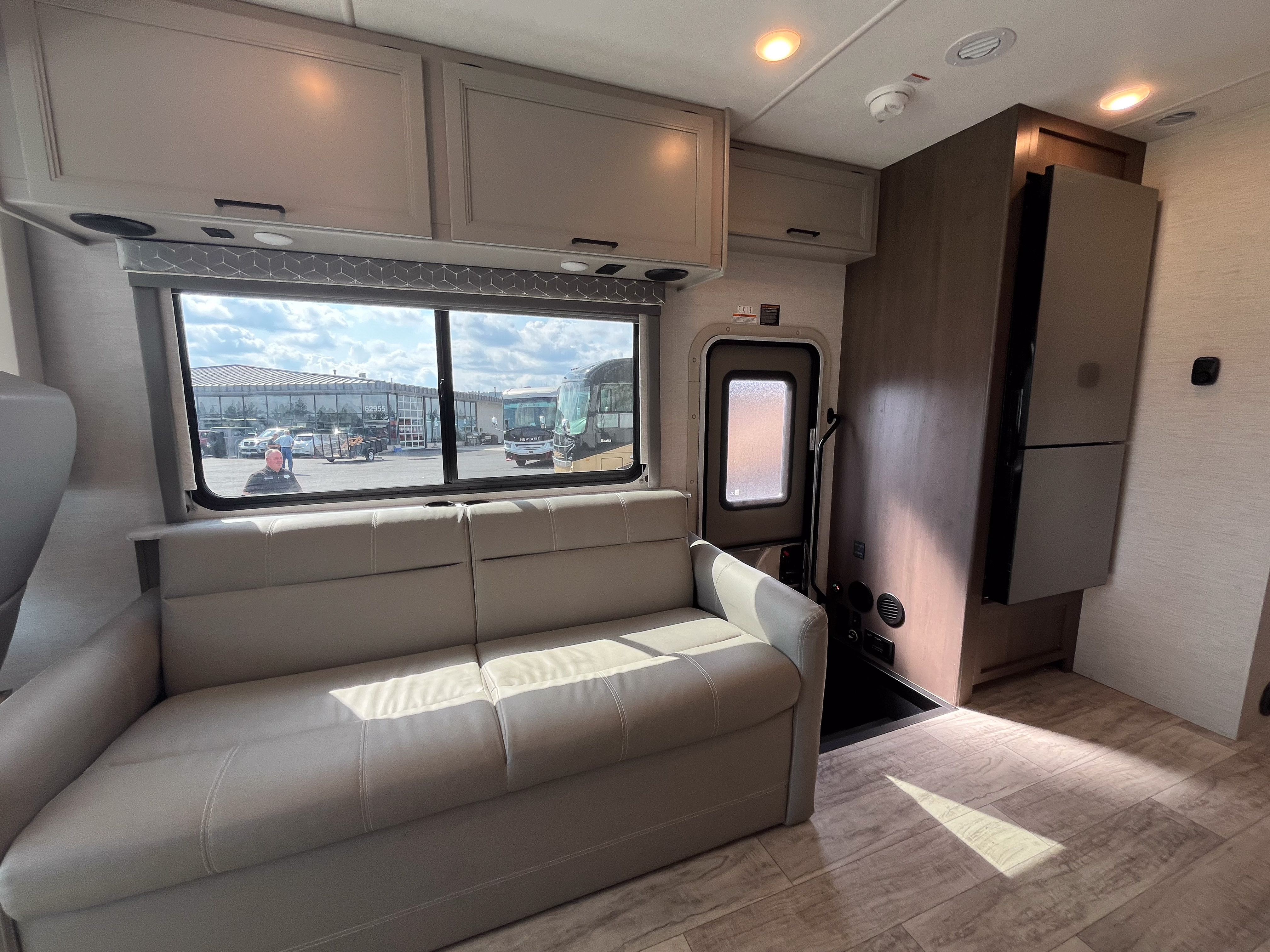
This is where we see the most family bookings at Happy Campers, and for good reason. Models like our 2022 Forest River Sunseeker 3250DS LE (sleeping 10) or the 2022 Forest River Sunseeker 2440DS (sleeping 6) offer the perfect balance of:
Manageable driving experience similar to a moving truck
Sufficient living space for family comfort
Multiple sleeping areas including the cab-over bunk
Full kitchen and bathroom facilities
Reasonable fuel economy (10-15 mpg)
The cab-over bunk is particularly popular with kids, who love having their own special sleeping space. Many Class C models also feature bunk beds or convertible dinettes, making them ideal for families with multiple children.
Super C Motorhomes: The Heavy-Duty Explorer
Super C motorhomes bridge the gap between Class C and Class A, built on heavy-duty truck chassis with diesel engines. These powerful rigs can handle off-grid adventures and challenging terrain while providing substantial living space.
Our 2023 Thor Omni RS36 showcases this category with its 4x4 capability and rugged construction. Super C motorhomes are perfect for families who:
Plan to venture off paved roads
Want to tow a substantial vehicle or boat
Appreciate diesel engine power and torque
Need maximum storage for outdoor gear
While these represent a premium investment, families serious about backcountry exploration find them invaluable.
Size Matters: Matching RV Capacity to Your Family
Here's a reality check: when an RV size guide says a motorhome "sleeps 8," it's technically correct—but that doesn't mean eight people will be comfortable for a week-long trip. Understanding the difference between sleeping capacity and comfortable living capacity is crucial for family harmony.
The Real Math Behind Sleeping Capacity
RV manufacturers count every possible sleeping surface: the master bed, convertible dinettes, fold-out sofas, cab-over bunks, and sometimes even countertop extensions. While this works for a quick overnight stop, extended family vacations require more realistic calculations.
According to RVing Planet's sizing guide, a good rule of thumb is to subtract 2-3 from the stated sleeping capacity to determine comfortable occupancy. For example:
Sleeps 10 RV = Comfortable for 7-8 people
Sleeps 8 RV = Comfortable for 5-6 people
Sleeps 6 RV = Comfortable for 4-5 people
Sleeps 4 RV = Comfortable for 3-4 people
Age and Personality Considerations
The ages of your children dramatically impact space requirements. Traveling with three kids under 10 is very different from traveling with three teenagers. Younger children typically adapt better to close quarters and find bunk beds exciting, while teenagers need privacy and personal space to maintain sanity (theirs and yours).
Consider these age-based guidelines when choosing an RV for kids:
Families with Young Children (Ages 2-10): Younger kids are flexible about sleeping arrangements and actually enjoy cozy spaces. However, you'll need substantial storage for toys, games, and the inevitable collection of rocks, sticks, and "treasures" they accumulate. Models like our 2025 Coachmen Leprechaun 319MB with dedicated bunk beds are perfect for this age group.
Families with Tweens and Teens (Ages 11-18): Older children need privacy and personal space. Look for floor plans with separate sleeping areas or consider renting a larger RV than your family size strictly requires. The extra space prevents cabin fever and reduces sibling conflicts during rainy days.
Multi-Generational Trips: When grandparents join the adventure, prioritize models with a private master bedroom and easy bathroom access. The 2022 Forest River Sunseeker 2860DS offers excellent privacy with its layout designed for multiple generations.
Storage Space: The Often-Overlooked Factor
Every family member brings luggage, but family RV trips require additional gear: camping chairs, outdoor games, sports equipment, coolers, and more. Exterior storage compartments become critical, especially for longer trips or families planning multiple activities.
When evaluating RV models, consider:
Pass-through storage compartments for long items like fishing rods
Exterior bike racks or cargo carriers
Interior closet and cabinet space
Under-bed storage areas
Overhead compartments in living areas
Essential Features for Family Travel
Beyond size and layout, specific family RV features can make or break your vacation experience. These amenities separate a tolerable trip from a truly memorable adventure.
Kitchen Capabilities
Unless you plan to eat every meal at restaurants (hello, blown budget), your RV kitchen needs to function like a real kitchen. Essential features include:
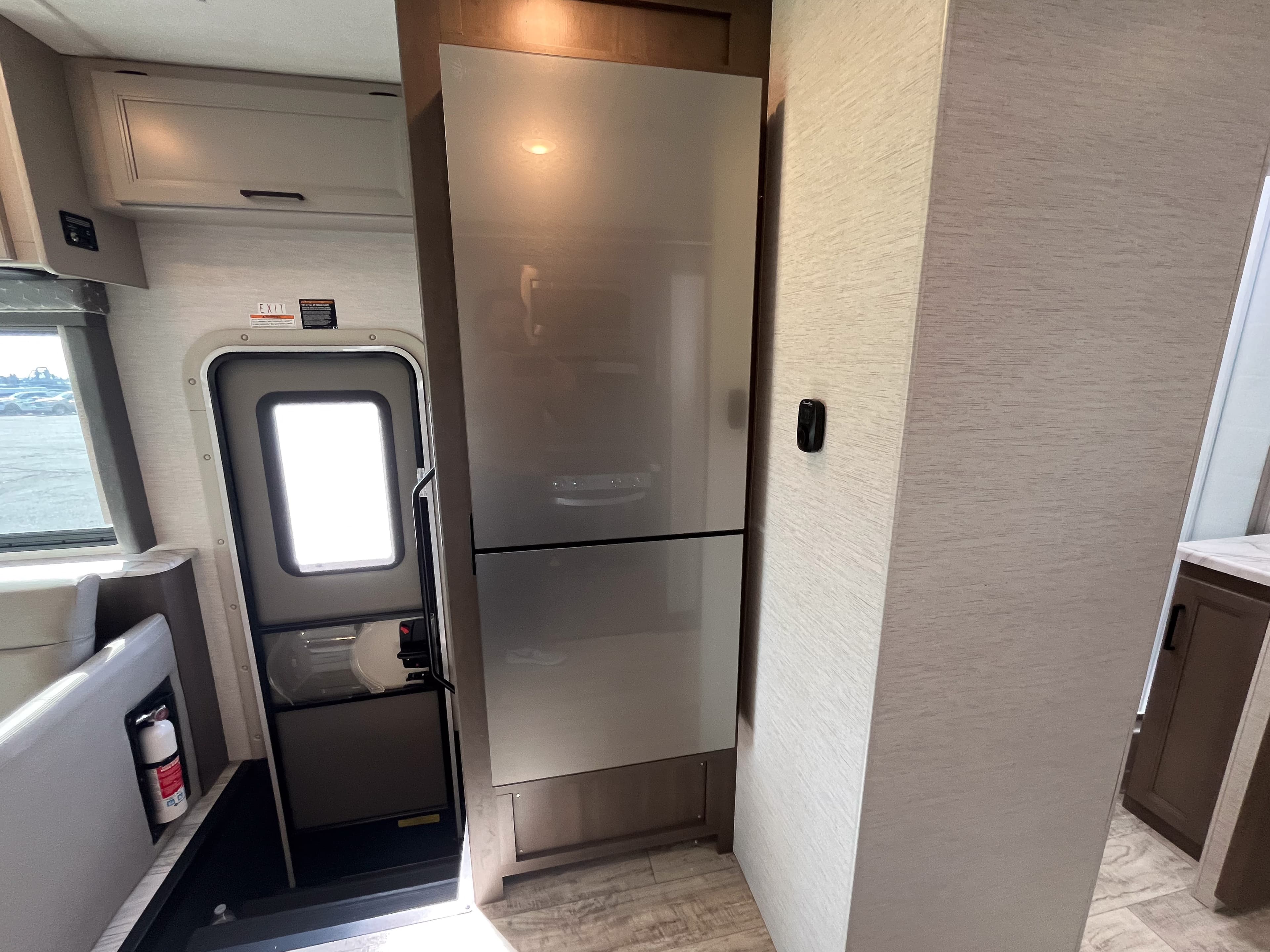
Adequate refrigerator space: A family of four needs at least 8 cubic feet; larger families require 10+ cubic feet
Three-burner stove minimum: Two-burner stoves create bottlenecks when cooking family meals
Microwave: Essential for quick breakfasts and reheating leftovers
Counter space: You need room to prep meals and set out snacks
Pantry storage: Dry goods and snacks require dedicated space
Pro tip: Before booking, ask about kitchen equipment included. At Happy Campers, our RV starter kit includes basic cookware, but families often appreciate bringing a few favorite items from home.
Bathroom Necessities
The bathroom situation can make or break family harmony, especially during morning routines. Look for these features:
Separate shower stall: Wet baths (toilet/shower combos) work for couples but frustrate families
Adequate water tank capacity: Larger families need 40+ gallon fresh water tanks
Privacy doors: Ensure the bathroom has a solid, locking door
Medicine cabinet storage: Toiletries for multiple people require space
According to RV Life's bathroom guide, teaching kids proper RV bathroom etiquette before departure prevents many common issues. We provide a thorough orientation covering this topic during your pickup appointment.
Climate Control Systems
Summer vacations mean hot days, and nothing ruins a family trip faster than an overheated RV. Essential climate features include:
Roof air conditioning: Minimum 13,500 BTU; 15,000 BTU for larger RVs
Multiple AC units: RVs over 30 feet should have two AC units
Window screens: Allow natural ventilation on cool evenings
Ceiling fans: Improve air circulation throughout
Heating system: Mountain evenings get chilly even in summer
Entertainment and Connectivity
While unplugging is part of the RV experience, some entertainment options prevent rainy-day mutinies. Modern Class C motorhome family rentals typically include:
TV and DVD player in living area
Outdoor speakers for campsite ambiance
USB charging ports throughout
WiFi capability (though campground WiFi varies)
Bluetooth audio systems
Balance is key. Bring tablets loaded with movies for travel days, but encourage outdoor activities once you arrive at destinations.
Safety Features for Families
Safety should never be compromised, especially when traveling with children. Essential safety features include:
Backup cameras (standard in most modern RVs)
Carbon monoxide and propane detectors
Fire extinguisher (check expiration date)
First aid kit
Adequate seatbelts for all passengers
Child safety locks on exterior doors
Step lights for nighttime entry/exit
Age-Specific Considerations for Kids
Traveling with Toddlers and Preschoolers (Ages 1-5)
The youngest travelers present unique challenges. When choosing an RV for kids in this age range, prioritize:
Secure sleeping areas: Pack portable bed rails or consider models where young children can sleep in lower bunks
Easy-to-clean surfaces: Spills happen constantly with little ones
Adequate storage for gear: Diapers, wipes, toys, and extra clothing require significant space
Bathroom accessibility: Potty training toddlers need quick bathroom access
Outdoor space: Look for RVs with large awnings for shade during outdoor play
Consider bringing a portable playpen that can serve as a safe play space inside the RV or outside under the awning. This gives toddlers a contained area while you're setting up camp or cooking meals.
Elementary Age Children (Ages 6-10)
This age group typically adapts best to RV travel. They're old enough to help with tasks but young enough to find the adventure exciting. Key considerations include:
Bunk beds: Kids this age love having their own special sleeping space
Game storage: Bring travel versions of favorite board games
Outdoor gear storage: Bikes, scooters, and sports equipment need space
Learning opportunities: Use the RV's systems to teach responsibility
Elementary-age kids can help with age-appropriate tasks like checking tire pressure, helping connect hookups (under supervision), and monitoring tank levels. This involvement increases their engagement and creates learning opportunities.
Teenagers (Ages 13-18)
Teenagers need the most space and privacy. Successful teen travel requires:
Private sleeping areas: Separate bunks or convertible dinettes away from parents
Device charging stations: Multiple USB ports prevent conflicts
Personal storage: Dedicated spaces for each teen's belongings
Involvement in planning: Let teens help choose destinations and activities
Pro tip: Establish "quiet hours" and respect everyone's need for alone time. Even in an RV, creating boundaries prevents conflicts. Some families designate the outdoor space under the awning as teen territory during certain hours.
Budget Planning Beyond the Rental Rate
Understanding the true cost of your RV rental prevents unpleasant surprises and helps you choose the right model for your budget. While rental rates are straightforward, additional costs add up quickly.
Breaking Down Rental Costs
At Happy Campers, our transparent pricing structure includes:
Nightly rental rate: $145-$250 depending on model and season (3-night minimum)
Cleaning fee: $125 (one-time charge)
Security deposit: $1,200 (refundable upon return)
Included mileage: 100 miles per night
Included generator usage: 3 hours per night
Additional costs to factor in:
Extra mileage: $0.39 per mile beyond included amount
Extra generator usage: $3.00 per hour beyond included time
Pet fee: $75 (because furry family members deserve adventures too!)
Fuel Costs: The Big Variable
Fuel represents your largest variable cost. According to Kiplinger's analysis of RV costs, fuel expenses often surprise first-time renters. Here's what to expect:
Class B (Camper Vans): 18-25 mpg
Class C (Most Family RVs): 10-15 mpg
Class A (Large Motorhomes): 7-10 mpg
Super C (Heavy-Duty): 8-12 mpg (diesel)
For example, a 500-mile round trip in a Class C getting 12 mpg requires approximately 42 gallons of fuel. At current gas prices, budget $150-$200 for fuel on this trip.
Campground Fees
Campground costs vary dramatically based on location and amenities:
State and National Parks: $20-$50 per night
Private Campgrounds: $40-$100 per night
RV Resorts: $75-$150+ per night
Boondocking (free camping): $0, but no hookups
Many families save money by mixing campground types. Spend a few nights at full-hookup campgrounds to recharge systems, then boondock in free locations for adventure and savings.
Food and Supplies
One major advantage of RV travel is controlling food costs by cooking your own meals. A family of four typically spends:
Groceries for one week: $200-$400 (versus $500-$1000 dining out)
Propane refills: $20-$40 as needed
Dump station fees: $5-$15 if not included at campground
Laundry: $10-$20 per week at campground facilities
Smart Budgeting Tips
Maximize your vacation budget with these strategies:
Book early for best rates and availability
Plan routes to minimize backtracking and excess mileage
Use generator strategically (solar panels help at some campgrounds)
Cook dinners in the RV, splurge on lunch out
Choose free or low-cost activities like hiking and swimming
Fill water tanks at campgrounds rather than buying bottled water
The Importance of a Proper Orientation
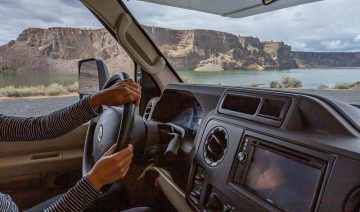
Even if you've chosen the perfect RV on paper, your vacation success depends heavily on understanding how to operate your temporary home. This is where Happy Campers truly shines—our comprehensive orientation process sets you up for success.
What to Expect During Pickup
Your pickup appointment (scheduled between 11am-2pm) isn't just about signing papers and driving away. We dedicate substantial time to ensure you're comfortable with every aspect of your rental. Our orientation covers:
Guided test drive: You'll drive the RV with our expert guidance, practicing turns, backing up, and parking
Systems walkthrough: Complete demonstration of water, electrical, propane, and waste systems
Appliance operation: Hands-on practice with stove, refrigerator, water heater, and climate control
Safety features: Location and operation of fire extinguisher, detectors, and emergency exits
Leveling procedures: How to properly level your RV at campsites
Awning operation: Safe deployment and retraction techniques
Troubleshooting basics: Common issues and simple solutions
Kristina, our customer service specialist, frequently receives praise in reviews for her thorough orientations and patience with first-time renters. Don't hesitate to ask questions—we'd rather spend extra time during pickup than have you struggle at the campground.
Practice Makes Perfect
After the orientation, we provide a full tank of gas so you can focus on practicing rather than immediately finding a fuel station. Use your first day to:
Practice parking in a large, empty lot
Get comfortable with the RV's turning radius
Understand blind spots and mirror usage
Test all systems before leaving town
Many families find it helpful to spend their first night at a nearby campground rather than driving several hours immediately. This allows you to practice setup procedures with support available if needed.
Emergency Support
Despite thorough preparation, questions and issues sometimes arise on the road. We provide 24/7 emergency support at 855-388-5385 for renters. Whether you're unsure about a warning light or need troubleshooting help, we're just a phone call away.
Common Mistakes to Avoid
Learning from others' mistakes saves you frustration and potentially costly errors. Here are the most common pitfalls families encounter when choosing and renting RVs:
Mistake #1: Prioritizing Price Over Fit
The cheapest rental isn't a bargain if your family is miserable. A cramped RV turns vacation into endurance test. Spending an extra $50-$100 per night for adequate space pays dividends in family harmony and vacation enjoyment.
Mistake #2: Ignoring Weight Limits
Every RV has a cargo carrying capacity (CCC) that limits how much gear you can bring. Families often overlook this specification, loading up the RV with equipment, supplies, and personal items that exceed safe limits. This affects handling, tire wear, and safety.
Before your trip, weigh major items like bikes, coolers, and camping gear. Ask about your RV's CCC during booking to ensure you can bring everything needed.
Mistake #3: Overambitious Itineraries
RV travel is slower than car travel. Between driving at reduced speeds, navigating carefully, setting up camp, and breaking down, you cover less ground than in a car. First-time renters often plan too many stops, spending more time driving than enjoying destinations.
A good rule: limit driving to 200-250 miles per day and stay at each location for at least 2-3 nights. This allows time to explore, relax, and truly enjoy the RV lifestyle.
Mistake #4: Skipping the Walkthrough Video
Many renters feel overwhelmed during pickup and decline to take photos or videos of the orientation. Later, at the campground, they can't remember how to operate systems. Use your phone to record key demonstrations during the walkthrough—you'll thank yourself later.
Mistake #5: Not Planning for Rainy Days
Even summer trips encounter rain. Families who don't pack indoor entertainment options (books, games, crafts, movies) find themselves with stir-crazy kids in close quarters. Prepare for at least one rainy day per week of travel.
Mistake #6: Forgetting About Towing and Storage
If you plan to tow a vehicle behind your RV or need to tow the RV itself, verify towing capacity and requirements during booking. Not all RVs are equipped for towing, and attempting to tow without proper equipment is dangerous and violates rental agreements.
Mistake #7: Inadequate Insurance Coverage
Rental requirements include valid driver's license and insurance, but review your coverage limits. RVs are expensive to repair, and inadequate insurance can lead to significant out-of-pocket costs if accidents occur. Drivers must be 25 or older with proper licensing and insurance documentation.
Special Considerations for Your Family
Traveling with Pets
For many families, pets are non-negotiable travel companions. At Happy Campers, we welcome your furry family members with a $75 pet fee. When traveling with pets, consider:
Climate control: Never leave pets in an RV without climate control, even briefly
Exercise needs: Choose campgrounds with dog-friendly trails and areas
Cleanup supplies: Bring extra cleaning supplies for pet accidents
Secure storage: Store pet food in sealed containers to prevent spills and pests
Veterinary information: Research emergency vets along your route
Many campgrounds have specific pet policies, so verify rules before booking. Some areas restrict certain breeds or limit the number of pets per site.
Accessibility Needs
Families with mobility challenges should discuss accessibility needs during booking. While most RVs aren't fully ADA compliant, some models offer features that improve accessibility:
Lower entry steps or electric step systems
Wider doorways and hallways
Bathroom grab bars
Lower counter heights
Adequate turning radius for wheelchairs or walkers
Contact us directly at 541-262-4479 to discuss specific accessibility requirements. We'll work to match you with the most suitable RV in our fleet.
Extended Family and Group Travel
Multiple families traveling together often rent multiple RVs or combine an RV with tent camping. This approach offers:
Personal space for each family unit
Shared campsite for group activities
Flexibility in daily schedules
Cost sharing for campground fees
Related articles
Continue exploring RV Tips & Guides

Do RV Rentals Allow Dogs?
Setting out on a journey in an RV with a furry friend can be thrilling and rewarding. The open road, the scenic landscapes, and the unique bond between an individual and their dog make for unforgettab
Holiday Feasts Worth Driving For
Wishing everyone safe travels this holiday season! What better way to travel than with friends and family from the comfort of a Class C RV! Whether you are interested in learning about RVs, curious ab